

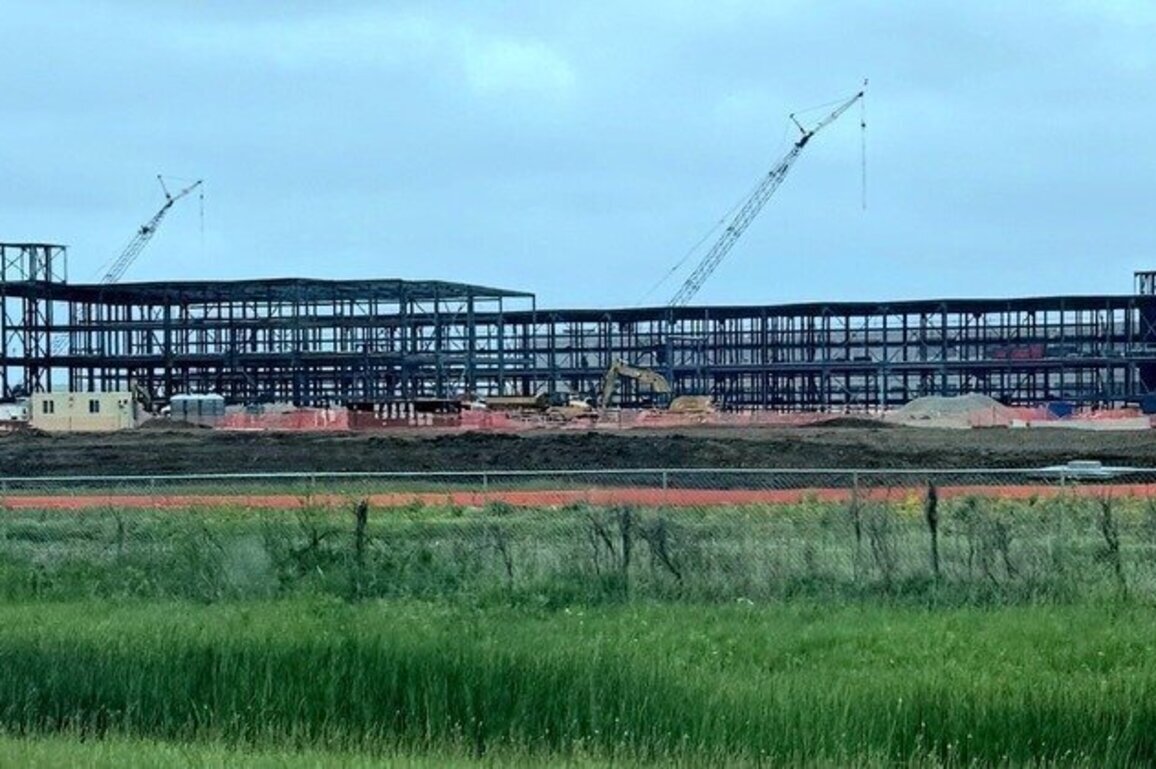
A packed statehouse hearing Monday gave Ohioans a forum to press lawmakers on the rapid spread of data centers, with residents raising concerns about electricity demand, water use, tax incentives and the future of farms.
More than 100 residents signed up to speak to members of the House Select Committee on Data Centers, which is studying legislation to regulate the more than 200 internet service centers in the state.
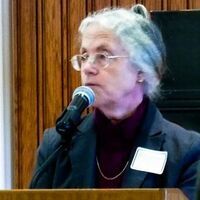
Stephen Petty, founder and president of the Engineering and Environmental Service Group in Dublin, said without regulations, the facilities could overwhelm utilities and local governments.
“The elephant in the room is really the water quality and wastewater issues,” Perry said. “The potential contaminations include biocides, anticorrosion agents, mineral scale, and even metals, as well as ‘forever chemicals’ — ‘forever chemicals’ because the half-life is one million years.”
Beyond water use, many Ohioans said they feared the centers would overstress the state’s power grid, deplete public coffers through tax exemptions and reduce useful farmland.
Many speakers questioned whether the economic benefits promised by developers outweigh the long-term environmental costs. They also raised concerns many of the newly planned data centers are much larger than existing facilities.
Jessica Baker, a member of the advocacy group Conserve Ohio in Williamsburg, said some developers have required local government officials to sign nondisclosure agreements to keep their projects under wraps. She said Ohio taxpayers deserve transparency.
“Everyday Ohioans should not have to spend their evenings submitting records requests and digging through utility filings just to understand what is happening around their homes,” Baker said. “That is why people elect leaders in the first place.”
Nikki Gerber, a resident of Adams County, said she is concerned about what a planned 1.3-gigawatt Buck Canyon Data Center project near Sprigg Township will do to the area’s natural beauty. Adams County is home to several lakes, parks and natural areas in the Appalachian region.
“Money isn’t the issue, life for another 250 years is,” Gerber said. “If I had the power to make sure the people could have the water, I would make sure the people had water before we were supplying it to the data centers.”
This story was produced in association with Media in the Public Interest and funded in part by the George Gund Foundation.
Source: Public News Service