


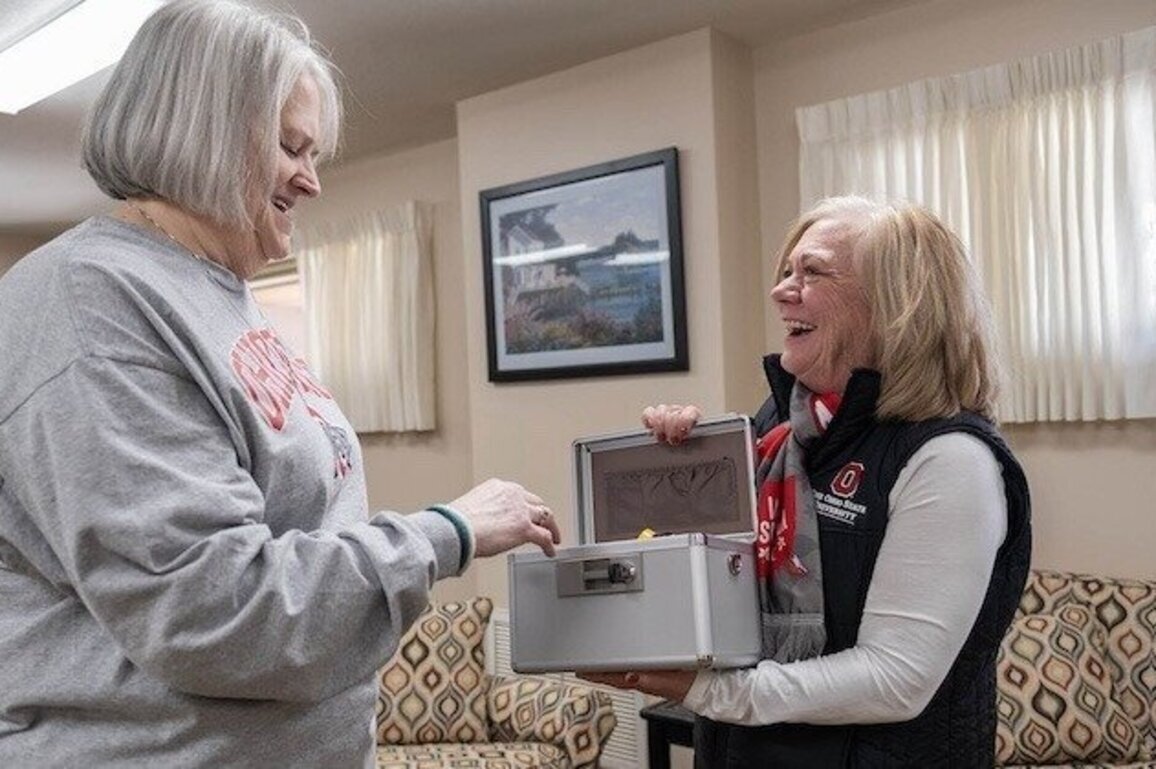
Ohio residents are learning how to safely store and dispose of medications through Generation Rx, an Ohio State University Extension program.
The program also teaches people how to be their own advocates and build relationships with local pharmacists.
Susan Zies, interim assistant director of Family and Consumer Sciences for Ohio State University Extension, said the program began nearly 20 years ago, when Ohio was in the grip of a prescription opioid problem. She stressed small, everyday decisions can help save lives and prevent emergency room visits.
“Whether that's keeping an updated medication list, asking those questions at the pharmacy, or storing medications out of the reach of children,” Zies outlined.
Ohio has long struggled with high overdose rates. In 2024, it had the sixth-highest rate of pain reliever misuse in the nation, with more than 3% of the population reporting pain medication abuse, according to federal data.
Zies emphasized developing a relationship with a pharmacist can help people understand how dangerous it can be when medications end up in the wrong hands.
“Some of those small actions, talking to a pharmacist, asking those questions, really can prevent big problems from happening,” Zies explained.
Medications are the leading cause of accidental child poisoning in the U.S., with more than 500,000 children under 5 potentially exposed to prescription medication not meant for them. Around 70,000 children land in the emergency room each year for unintentional, unsupervised ingestions involving both over-the-counter and prescription drugs.
Source: Public News Service